Clean Living: How to Avoid Endocrine Disruptors that Upset Your Hormones
Hormones orchestrate nearly every function in your body, from growth and metabolism to mood and reproductive health. Endocrine-disrupting chemicals (EDCs) can mimic or block these natural hormones, leading to irregular periods, early puberty, fertility problems and increased risk of certain cancers. Studies link EDCs to early menarche, early menopause, polycystic ovary syndrome (PCOS) and breast or uterine cancers.
Common sources of endocrine disruptors
Plastics
BPA and its analogs (BPS, BPF) are found in food containers, water bottles and canned food linings. Research shows that over 95% of Americans have traces of BPA in their bodies.
Cosmetics and personal care products
Parabens, phthalates, benzophenones and synthetic fragrances can disrupt hormone activity.
Household chemicals
Flame retardants, pesticides, herbicides and certain cleaning products contain EDCs.
Food and water
Non-organic produce, pesticide residues and contaminated water can contribute to exposure.
How to reduce your exposure
Choose safer materials
Use glass, stainless steel or BPA-free containers for food and beverages. Avoid microwaving plastic.
Read labels
Look for products labeled "paraben-free," "phthalate-free," or "fragrance-free." Consider using the Environmental Working Group's (EWG) Skin Deep database to research products.
Filter your water
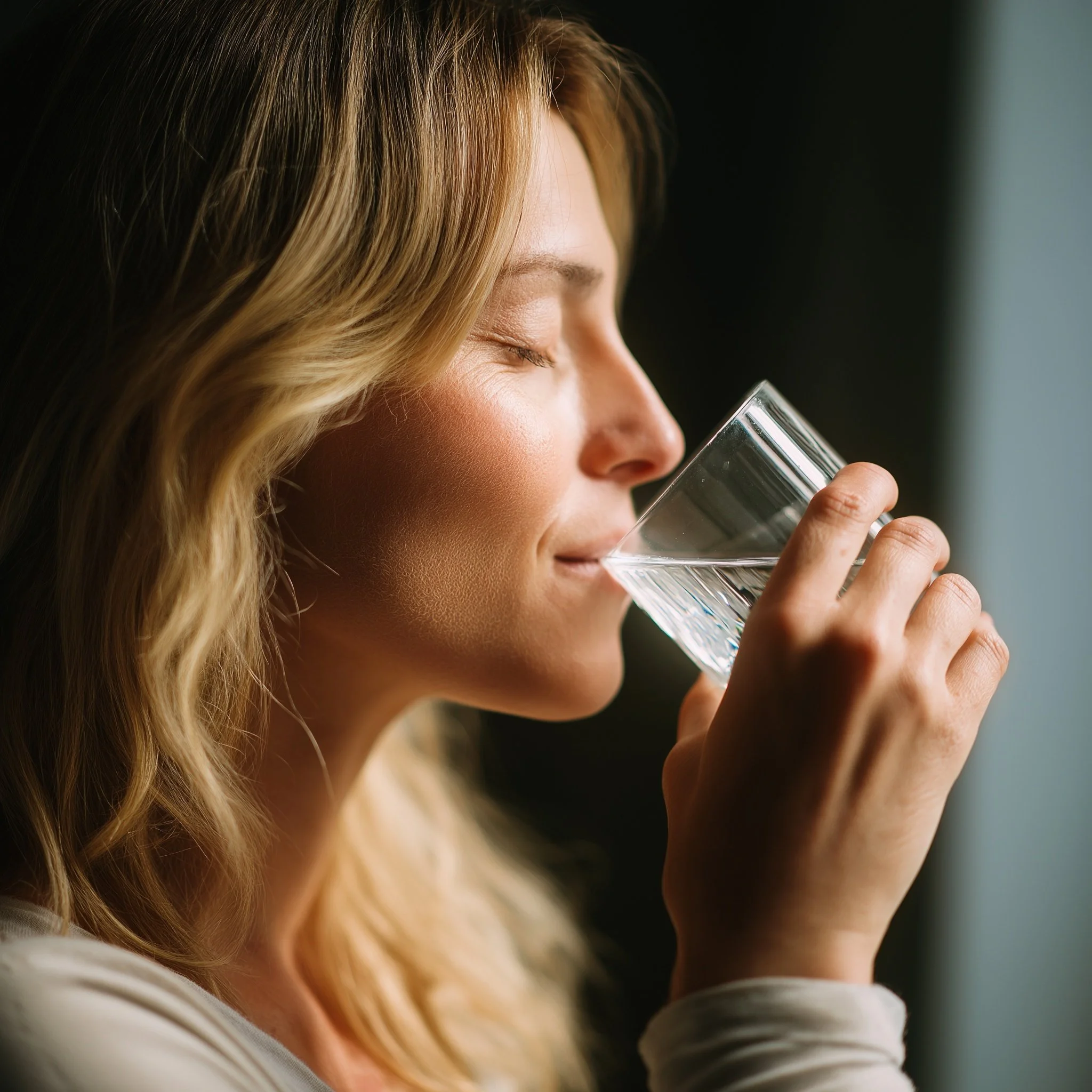
A certified water filter can reduce contaminants such as lead, chlorine and certain chemicals.

Go organic when possible
Organic produce tends to have fewer pesticide residues. Thoroughly wash fruits and vegetables.
Minimize canned foods
Opt for fresh or frozen options to reduce BPA exposure from can linings.
Empowering yourself
Switching to clean products can feel overwhelming, but small changes add up. If you're unsure where to start, schedule a consultation with Dr. Marielena Guerra. As part of a comprehensive women's wellness practice in Fort Lauderdale, we can help you understand how environmental exposures impact hormonal health and recommend practical steps toward cleaner living.